


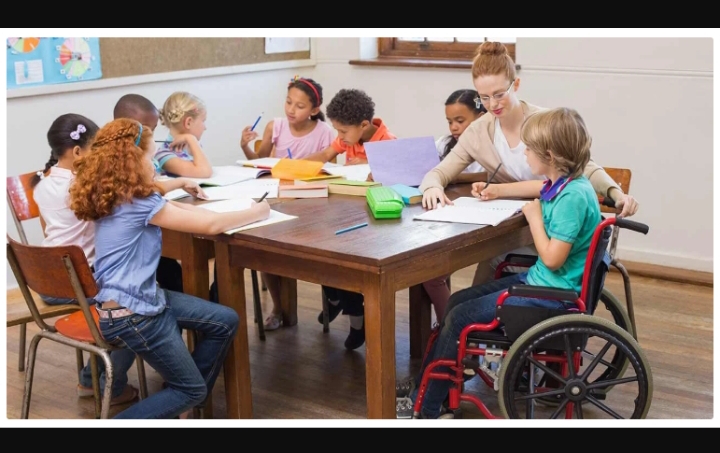
Here’s a comprehensive list of 50 questions and answers about inclusive education in Rwanda, categorized into relevant themes:
1. General Concepts of Inclusive Education
- Q: What is inclusive education?
A: Inclusive education ensures that all children, regardless of their abilities or background, have access to quality education in the same learning environment. - Q: Why is inclusive education important in Rwanda?
A: It promotes equality, social integration, and access to education for all, including children with disabilities and marginalized groups. - Q: What are the key principles of inclusive education?
A: Equity, participation, diversity, individualized support, and a collaborative approach to learning. - Q: Who benefits from inclusive education?
A: All students benefit, including those with disabilities, girls, children from low-income families, and those from different cultural backgrounds. - Q: How does inclusive education address the needs of students with disabilities?
A: By providing accommodations, assistive devices, and specialized support to ensure they can learn alongside their peers.
2. Inclusive Education Policies in Rwanda
- Q: What policies promote inclusive education in Rwanda?
A: The Special Needs and Inclusive Education Policy (2018) and the National Policy on Persons with Disabilities (2019). - Q: How does Vision 2050 support inclusive education?
A: Vision 2050 emphasizes equitable access to quality education for all, focusing on social inclusion and eliminating barriers. - Q: What is the role of the Ministry of Education in inclusive education?
A: It oversees policy implementation, teacher training, resource allocation, and monitoring of inclusive practices. - Q: What is Rwanda’s commitment under the SDGs for inclusive education?
A: SDG 4 ensures inclusive and equitable quality education for all and promotes lifelong learning opportunities. - Q: How does Rwanda integrate inclusive education in its curriculum?
A: By embedding inclusive practices, life skills, and differentiated teaching methods into the Competence-Based Curriculum.
3. Challenges in Implementing Inclusive Education in Rwanda
- Q: What are the main challenges to inclusive education in Rwanda?
A: Lack of resources, trained teachers, assistive technologies, and community awareness. - Q: How does poverty impact inclusive education?
A: Poverty limits access to learning materials, transportation, and infrastructure for students with special needs. - Q: Why is teacher training a challenge in inclusive education?
A: Many teachers lack specialized training to handle diverse learning needs. - Q: How does stigma affect inclusive education in Rwanda?
A: Social stigma often discourages parents from enrolling children with disabilities in school. - Q: How does limited infrastructure hinder inclusive education?
A: Many schools lack ramps, accessible toilets, and adaptive classrooms for students with disabilities.
4. Strategies for Promoting Inclusive Education
- Q: What role does teacher training play in inclusive education?
A: Training equips teachers with skills to manage diverse classrooms and implement inclusive practices. - Q: How can technology enhance inclusive education?
A: Assistive devices like screen readers, hearing aids, and adaptive software support students with special needs. - Q: Why is parental involvement important?
A: Parents provide essential support and encouragement, advocating for their children’s education. - Q: How can the community promote inclusive education?
A: Through awareness campaigns, reducing stigma, and supporting school inclusion programs. - Q: What partnerships support inclusive education in Rwanda?
A: Collaborations with NGOs, international organizations like UNICEF, and private-sector initiatives.
5. Inclusive Education and Disabilities
- Q: What disabilities are considered in inclusive education?
A: Physical, intellectual, sensory (vision/hearing), and learning disabilities. - Q: How are visually impaired students supported in Rwanda?
A: Through Braille materials, tactile aids, and resource centers like the Huye School for the Blind. - Q: What accommodations are available for students with hearing impairments?
A: Sign language interpreters, visual aids, and hearing devices. - Q: How does inclusive education address intellectual disabilities?
A: By using simplified content, individualized support, and life skills training. - Q: What is the role of special schools in Rwanda’s inclusive education system?
A: They complement mainstream schools by providing specialized services and resources.
6. Gender and Inclusive Education
- Q: How does inclusive education benefit girls in Rwanda?
A: It removes barriers like gender discrimination, early marriage, and lack of facilities for menstrual hygiene. - Q: What is the Girls’ Education Policy?
A: A framework to ensure equal access and retention for girls in education. - Q: How can schools address gender-based violence?
A: Through strict policies, safe reporting mechanisms, and awareness programs. - Q: What challenges do girls with disabilities face?
A: Double discrimination based on gender and disability, limited access to facilities, and social stigma. - Q: How can schools promote gender-sensitive inclusion?
A: By training teachers, providing gender-separated facilities, and encouraging equal participation.
7. Inclusive Education and Marginalized Communities
- Q: How does inclusive education support children from poor families?
A: By offering free education, school feeding programs, and scholarships. - Q: What is the role of Early Childhood Development (ECD) centers?
A: ECD centers prepare children from disadvantaged backgrounds for primary school. - Q: How does inclusive education address cultural diversity?
A: By respecting local languages, traditions, and involving community leaders. - Q: What are Umuganda’s contributions to inclusive education?
A: Community work days often focus on building or repairing schools and raising awareness about education for all. - Q: How does inclusive education reach refugee children?
A: Through integrated programs in refugee camps, supported by partners like UNHCR and UNICEF.
8. Monitoring and Evaluation of Inclusive Education
- Q: How is inclusive education monitored in Rwanda?
A: By the Ministry of Education through school inspections, reports, and performance assessments. - Q: What indicators measure inclusive education success?
A: Enrollment, retention, transition rates, and academic performance of marginalized groups. - Q: What is the role of data in inclusive education?
A: Data helps identify gaps, track progress, and allocate resources effectively. - Q: How does Rwanda use feedback to improve inclusion?
A: By engaging stakeholders like teachers, parents, and students in discussions. - Q: What are inclusive education benchmarks in Rwanda?
A: Universal access, zero dropout rates, and successful integration of students with special needs.
9. Success Stories in Inclusive Education
- Q: What are notable achievements in inclusive education in Rwanda?
A: Increased enrollment of children with disabilities and integration of refugee children into public schools. - Q: What role does HVP Gatagara play in inclusive education?
A: It provides specialized services for children with physical disabilities. - Q: How do ICT hubs support inclusion?
A: They offer access to adaptive technology for students with disabilities. - Q: What is the “Child-Friendly Schools” initiative?
A: A program ensuring safe, inclusive, and supportive learning environments. - Q: How has the Competence-Based Curriculum advanced inclusion?
A: By incorporating diverse learning approaches and flexible assessments.
10. Future of Inclusive Education in Rwanda
- Q: What is Rwanda’s vision for inclusive education by 2030?
A: Achieving universal access and eliminating barriers for marginalized learners. - Q: How can technology advance inclusive education?
A: By providing e-learning platforms and digital tools adapted for special needs. - Q: What funding opportunities support inclusion?
A: Government initiatives, donor contributions, and private-sector partnerships. - Q: How can teachers be empowered for inclusive education?
A: Through continuous professional development, peer learning, and incentives. - Q: What role do students play in promoting inclusion?
A: By fostering peer support, reducing stigma, and creating a welcoming environment.
This content is structured for relevance to Rwanda’s context, including policies, cultural practices, and education system dynamics. Let me know if you’d like any section expanded or further customized!