


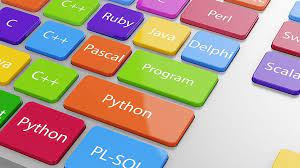
20 easy ways to learn programming
Certainly! Here are 20 easy ways to learn programming:
- Start with a beginner-friendly language: Choose a programming language known for its simplicity and ease of learning, such as Python or JavaScript.
- Online tutorials and courses: Take advantage of free online resources, tutorials, and interactive coding courses, such as Codecademy, Khan Academy, or freeCodeCamp.
- Video tutorials: Watch programming tutorials on platforms like YouTube, where experienced programmers share their knowledge and guide you through coding concepts.
- Read beginner-friendly books: Explore beginner-friendly programming books that provide step-by-step explanations and exercises to reinforce your learning.
- Practice coding challenges: Solve coding challenges on platforms like HackerRank, LeetCode, or Codewars to sharpen your problem-solving and coding skills.
- Join coding communities: Participate in online coding communities like Stack Overflow, Reddit programming subreddits, or programming forums to ask questions and learn from others.
- Attend coding bootcamps: Consider joining coding bootcamps, which offer immersive and focused learning experiences to quickly gain programming skills.
- Collaborate on coding projects: Join open-source projects or work on coding projects with others to learn from their expertise and collaborate on real-world applications.
- Code-along tutorials: Follow along with coding tutorials where you code alongside the instructor, replicating their steps and learning by doing.
- Create personal projects: Start working on your own programming projects to apply your knowledge and gain practical experience.
- Break down complex problems: When faced with a complex programming problem, break it down into smaller, more manageable parts to make it easier to solve.
- Take advantage of code editors and IDEs: Use code editors or Integrated Development Environments (IDEs) that offer features like auto-completion, syntax highlighting, and debugging tools to enhance your coding experience.
- Join online coding communities: Participate in coding communities like GitHub, GitLab, or Bitbucket to collaborate on projects, contribute to open-source projects, and learn from other developers.
- Learn from code examples: Analyze and study code examples available on platforms like GitHub or open-source projects to understand coding patterns, best practices, and different approaches to problem-solving.
- Attend coding meetups and events: Attend local coding meetups, workshops, or hackathons to network with other programmers, learn from experts, and engage in coding challenges.
- Utilize online coding platforms: Explore coding platforms like Scratch, Blockly, or Swift Playgrounds designed for beginners to learn programming concepts through interactive visual programming interfaces.
- Follow coding blogs and podcasts: Follow programming blogs and listen to coding podcasts to stay updated with the latest programming trends, tips, and insights.
- Debug and troubleshoot errors: Debugging is an essential skill in programming. Learn to identify and fix errors by using debugging tools and techniques.
- Review and refactor your code: Regularly review your code, look for opportunities to optimize or improve it, and practice refactoring to enhance your coding skills.
- Stay curious and keep practicing: Learning programming is an ongoing process. Stay curious, be open to new technologies and programming languages, and dedicate consistent time to practice coding regularly.
Remember, learning programming requires patience, persistence, and hands-on practice. Start small, build a solid foundation, and gradually work on more challenging projects as you gain confidence and expertise.