


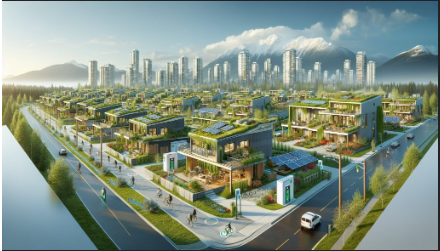
Title: “Sustainable Skylines: Exploring Green Architecture’s Top Innovations and Eco-Friendly Designs”
Introduction:
Step into the future of architecture where form meets sustainability, and buildings embrace the environment rather than impose on it. In this exclusive post, we take you on a journey through the world of Green Architecture, unveiling groundbreaking designs and technologies that not only redefine skylines but also set new standards for eco-friendly living.
1. The Rise of Green Architecture:
- Beyond Aesthetics: Explore the evolution of green architecture from a niche concept to a mainstream movement, where architects prioritize environmental impact as a core design principle.
2. Net-Zero Energy Buildings:
- Powering Tomorrow’s Structures: Showcase innovative designs and technologies that enable buildings to produce as much energy as they consume, paving the way for a carbon-neutral future in architecture.
3. Living Architecture: Vertical Gardens and Green Roofs:
- Nature Integrated into Design: Highlight the trend of integrating nature into urban spaces through vertical gardens and green roofs, showcasing how these features enhance aesthetics, air quality, and energy efficiency.
4. Passive Design Principles:
- Natural Cooling and Heating: Explore passive design strategies that harness natural elements for cooling, heating, and lighting, reducing reliance on mechanical systems and minimizing environmental impact.
5. Renewable Energy Integration:
- Harvesting Nature’s Power: Showcase architectural designs that seamlessly incorporate renewable energy sources like solar panels, wind turbines, and geothermal systems, demonstrating a commitment to sustainable power generation.
6. Innovative Eco-Friendly Materials:
- Building with a Conscience: Feature materials that are not only aesthetically pleasing but also environmentally responsible, from recycled steel and reclaimed wood to cutting-edge innovations like bio-based composites.
7. Smart Building Technologies:
- Efficiency at Your Fingertips: Explore how smart technologies are transforming buildings into efficient, responsive ecosystems, optimizing energy use, and enhancing the overall user experience.
8. Water Conservation Strategies:
- From Rainwater Harvesting to Greywater Systems: Showcase designs that prioritize water conservation, incorporating features like rainwater harvesting, greywater recycling, and advanced plumbing technologies to minimize water consumption.
9. Biophilic Design:
- Connecting Humans with Nature: Highlight the incorporation of biophilic design principles, promoting a deep connection between occupants and the natural environment within the built space.
10. Adaptive Reuse and Upcycling:
- Breathing New Life into Old Structures: Explore architectural projects that embrace adaptive reuse and upcycling, transforming existing structures into eco-friendly spaces, minimizing waste, and preserving cultural heritage.
11. Zero-Waste Construction Practices:
- From Design to Demolition: Showcase architects and builders adopting zero-waste principles, emphasizing sustainable construction practices that prioritize recycling, reusing materials, and minimizing environmental impact.
12. Community-Centric Design:
- Creating Sustainable Urban Communities: Feature designs that prioritize community well-being, incorporating green spaces, communal gardens, and sustainable amenities to foster a sense of eco-friendly living within urban environments.
13. Carbon-Neutral Skyscrapers:
- Scaling New Heights Sustainably: Highlight architectural marvels that redefine skyscrapers as carbon-neutral entities, utilizing advanced technologies and design principles to mitigate their environmental footprint.
14. Certifications and Standards:
- Showcasing Commitment to Sustainability: Discuss the importance of certifications such as LEED (Leadership in Energy and Environmental Design) and other sustainability standards that signify a commitment to green architecture.
15. Educating for a Sustainable Future:
- Empowering Architects and Future Generations: Conclude by emphasizing the importance of education and awareness in promoting sustainable architectural practices, inspiring a new generation of architects to lead the way in green building innovation.
Conclusion:
As Green Architecture continues to redefine the boundaries of design and construction, it not only shapes the skylines of our cities but also shapes a sustainable and harmonious future. Each innovative project, eco-friendly material, and forward-thinking design showcased in this post stands as a testament to the transformative power of architecture when guided by a commitment to environmental responsibility. Join us on this journey towards a greener, more sustainable future, where every building is not just a structure but a conscious contribution to the well-being of our planet.