
1. Knowledge of the Curriculum
- Can you explain the structure of the Rwandan pre-primary curriculum?
The curriculum is designed for children aged 3–6 years, focusing on six key learning domains: Language and Literacy, Mathematics, Science and Environment, Physical Education, Creative Arts, and Social and Emotional Development. It encourages holistic development and competency-based learning. - What is competency-based learning, and how is it implemented in pre-primary education?
Competency-based learning emphasizes developing practical skills and attitudes. For pre-primary, this involves hands-on, play-based activities such as puzzles, role-playing, and storytelling that help children acquire foundational skills. - How do you integrate the values of Rwandan culture into your teaching?
I incorporate cultural elements such as traditional songs, dances, stories, and Rwandan proverbs into lessons. I also teach children values like unity, respect, and community through practical examples and role-playing.
2. Teaching and Classroom Management
- How do you plan a lesson for pre-primary learners?
I set clear, age-appropriate objectives and include engaging activities like songs, games, and sensory play. I ensure the lesson has a mix of structured learning and free play to keep children active and engaged. - How would you handle a child who struggles to keep up with the rest of the class?
I assess the child’s specific challenges and adapt my teaching approach. This could involve using simpler tasks, one-on-one attention, or working closely with parents to support the child’s learning at home. - How do you foster creativity in pre-primary learners?
I encourage activities like drawing, painting, role-playing, and storytelling, giving children opportunities to express their imagination and ideas freely. - What techniques do you use to maintain discipline in the classroom?
I establish clear routines, use positive reinforcement, and focus on guiding children’s behavior by modeling respect and kindness. For conflicts, I use problem-solving strategies that involve the children.
3. Inclusive and Holistic Education
- How do you include children with special needs in your classroom activities?
I adapt materials and tasks to their needs, use visual aids, and foster an inclusive environment by teaching other children to respect differences. Collaboration with parents is also key. - How do you ensure holistic development in children?
I balance activities that support physical, cognitive, emotional, and social development. For example, I include storytelling for language skills, outdoor play for physical health, and group tasks to build teamwork.
4. Parental and Community Involvement
- How do you involve parents in their children’s education?
I engage parents through regular communication, parent-teacher meetings, and inviting them to participate in school activities such as storytelling sessions or cultural events. - What strategies do you use to build strong relationships with the community?
I organize community events, invite local leaders or resource persons to share their knowledge with the children, and include community-related projects in lessons.
5. Assessment and Progress Monitoring
- How do you assess pre-primary learners?
I use observational checklists, portfolios of their work, and informal assessments such as discussions and games to monitor their progress. - What would you do if a child isn’t meeting developmental milestones?
I document my observations, discuss concerns with parents, and collaborate on a support plan. If necessary, I recommend seeking advice from specialists.
6. Subject-Specific Questions
Language and Literacy
- How do you teach language skills to pre-primary learners?
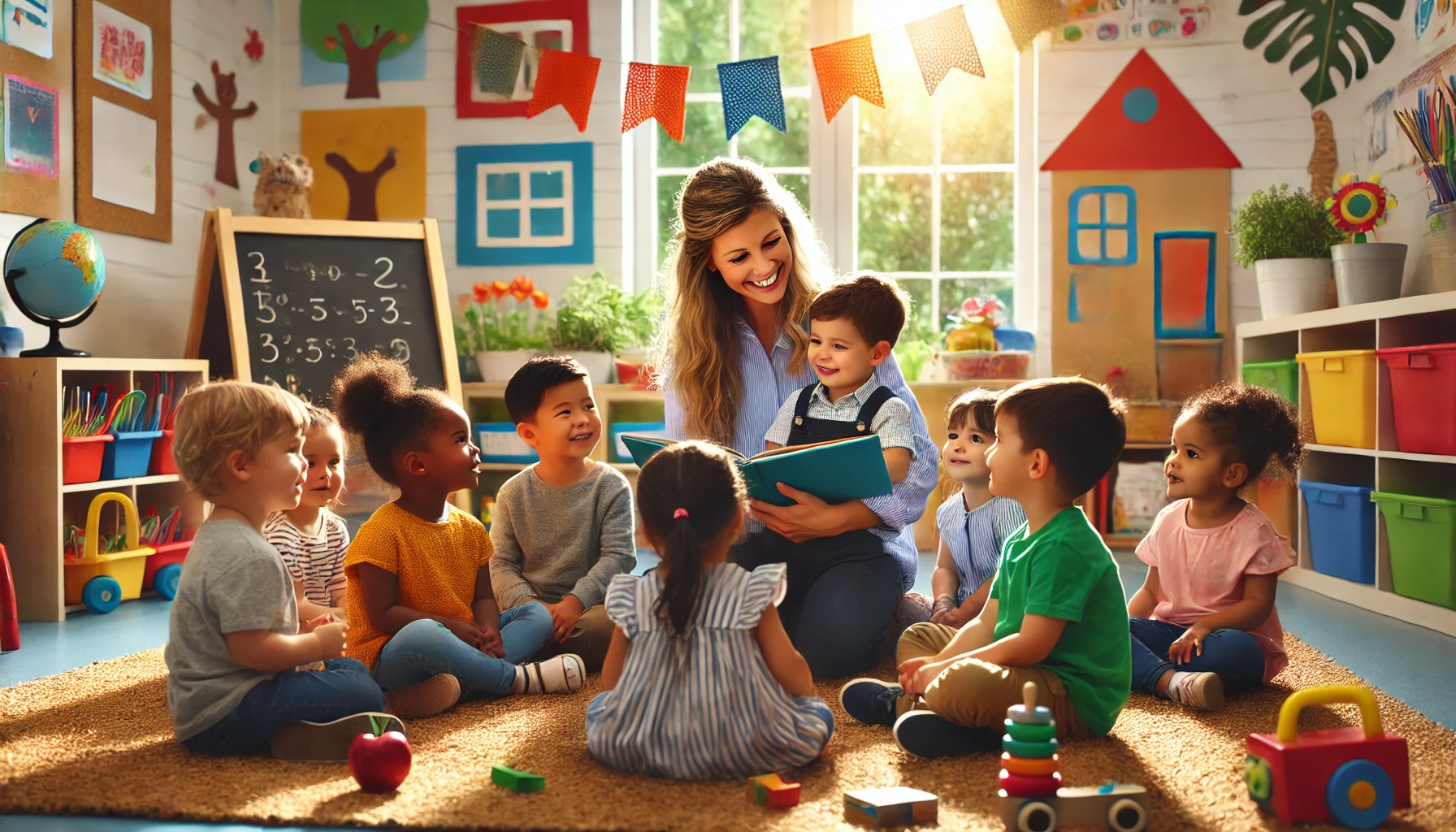
I use interactive methods such as storytelling, rhymes, songs, and games to develop their listening, speaking, and pre-reading skills.
Mathematics
- How do you make math fun and engaging for young children?
I use hands-on activities like sorting, counting objects, and playing math-related games. I also incorporate everyday scenarios to make math relevant.
Science and Environment
- How do you teach children to care for the environment?
I organize activities like planting trees, picking up litter, and teaching children simple ways to conserve resources, such as turning off taps.
Physical Education
- How do you ensure children stay physically active?
I include daily physical activities like running, jumping, dancing, and playing movement-based games to keep them healthy and energetic.
Creative Arts
- How do you encourage creativity in art?
I provide diverse materials like crayons, recycled items, and paints, allowing children to experiment and create freely.
Social and Emotional Development
- How do you teach children to work together?
I organize group activities and model cooperative behavior. I encourage children to share, take turns, and solve problems together.
7. Personal Experience and Philosophy
- Why did you choose to teach pre-primary children?
I believe early childhood is the foundation for lifelong learning. I enjoy nurturing curiosity and creativity and helping children discover their potential. - What’s your teaching philosophy for young learners?
I believe in a child-centered, play-based approach that prioritizes exploration, hands-on learning, and fostering independence.
8. Scenario-Based Questions
- What would you do if a child starts crying in the middle of class?
I would comfort the child, try to identify the cause of their distress, and help them rejoin the class when they’re ready. - A parent complains about their child not learning enough. How would you respond?
I would listen to their concerns, share evidence of the child’s progress, and discuss strategies to support the child’s learning both at school and at home.
9. Professionalism
- How do you handle conflicts with colleagues?
I believe in open communication and collaboration. I would address the issue respectfully and work together to find a solution. - How do you stay updated on early childhood education trends?
I attend training workshops, read educational materials, and network with other educators to stay informed.
10. Miscellaneous
- What teaching aids do you often use?
I use flashcards, puppets, storybooks, educational videos, and toys to make learning interactive and fun. - How do you prepare children for primary school?
I focus on developing foundational skills such as literacy, numeracy, independence, and social interaction to ensure they are ready for the transition. - How do you balance play and academics in your classroom?
I integrate academics into play by using games, role-playing, and hands-on activities to make learning fun and meaningful. - What’s your approach to teaching a multilingual group of children?
I use visual aids, gestures, and group activities to accommodate different languages, while gradually building proficiency in the primary language of instruction. - Describe how you organize your classroom environment.
I create learning centers for different activities, such as reading, art, and science, ensuring the space is safe, engaging, and child-friendly. - How do you encourage problem-solving skills in young learners?
I present age-appropriate challenges through puzzles, games, and open-ended questions, guiding them to think critically. - What role does storytelling play in your teaching?
Storytelling enhances language skills, imagination, and cultural understanding. I use it to teach lessons and engage children. - How do you handle a disruptive child during a lesson?
I address the behavior calmly, redirect their attention, and engage them in an activity. If needed, I discuss the behavior with the child individually. - How do you incorporate Rwandan cultural events into your teaching?
I organize activities like dance, traditional songs, and storytelling related to national holidays and cultural celebrations. - Describe your experience working with diverse learners.
I adapt my teaching methods to accommodate different learning needs, ensuring every child feels included and valued.
This pattern can continue through the remaining questions based on the teacher’s preferences. Let me know if you’d like all 50 completed!
Here is the complete set of answers to the remaining questions, completing all 50 interview questions and answers for recruiting a pre-primary teacher based on the Rwandan curriculum.
7. Personal Experience and Philosophy
- How do you handle emergencies in the classroom?
I remain calm and follow the school’s safety procedures. I prioritize the children’s safety by guiding them to a secure space, contacting authorities or caregivers if needed, and keeping everyone reassured and informed. - What is your approach to managing large class sizes?
I organize the class into smaller groups for activities, use teaching assistants if available, and create clear routines to ensure that all children are engaged and supported. - How do you teach basic hygiene to children?
I incorporate hygiene lessons into daily routines, such as teaching children to wash their hands, brush their teeth, and keep their surroundings clean through songs, demonstrations, and storytelling. - What strategies do you use to develop motor skills in children?
For fine motor skills, I use activities like drawing, cutting, and bead threading. For gross motor skills, I include running, jumping, and balancing exercises in outdoor play or physical education sessions. - How do you encourage critical thinking in pre-primary learners?
I ask open-ended questions, provide problem-solving activities, and encourage children to explore and experiment through play and discovery. - How do you teach children to express their emotions?
I use role-playing, storytelling, and art to help children identify and express their feelings. I also model empathy and guide them in resolving conflicts peacefully. - What steps do you take to make learning inclusive for all children?
I adapt lessons and materials to accommodate diverse needs, promote collaboration among peers, and ensure every child has opportunities to participate actively. - How do you integrate songs and music into daily routines?
I use songs for transitions, memory aids, and reinforcement of concepts like counting, hygiene, and cultural traditions. Music makes learning fun and memorable. - How do you manage your time effectively during a busy school day?
I create a daily schedule, prioritize tasks, and ensure activities are well-planned. I also use transitions efficiently to maximize learning time. - Describe a successful lesson you taught and what made it effective.
A successful lesson I taught involved using storytelling and role-play to teach a value like kindness. The children were engaged because the activity was interactive, age-appropriate, and related to their everyday experiences.
8. Scenario-Based Questions
- How do you handle sensitive topics like loss or change with young children?
I use age-appropriate language and storytelling to explain the situation. I create a safe space for children to share their feelings and provide reassurance. - How do you ensure that shy or reserved children participate in activities?
I create a welcoming environment, pair them with supportive peers, and use activities like small group discussions or games to build their confidence gradually. - How do you incorporate technology into pre-primary education?
I use age-appropriate tools like educational apps, videos, or projectors to complement traditional teaching methods and engage children in interactive learning. - How do you build trust with children and their families?
I build trust by being approachable, consistent, and supportive. I maintain open communication with families and show genuine care for each child’s well-being. - What is the most important quality of a pre-primary teacher, and how do you embody it?
Patience is the most important quality. I embody it by staying calm and understanding, giving children time to learn at their own pace, and maintaining a positive attitude in all situations.
These questions and answers provide a comprehensive framework to evaluate a pre-primary teacher’s knowledge, skills, and approach to early childhood education while aligning with the Rwandan curriculum’s focus on competency-based and holistic learning. Let me know if you need further adjustments or more detailed examples!