

Caring for a kid learner involves nurturing their emotional, intellectual, physical, and social development in a supportive environment. Here are key strategies to ensure holistic care for a young learner:
1. Create a Safe and Supportive Environment
- Ensure physical safety: Provide a clean, well-organized space with child-friendly furniture and materials.
- Promote emotional security: Offer kindness, encouragement, and understanding to make the child feel valued and comfortable.
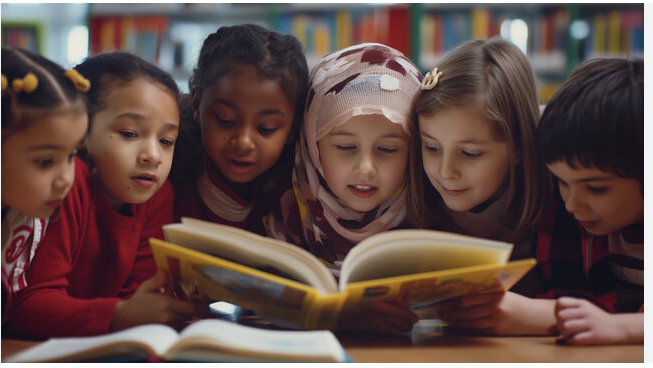
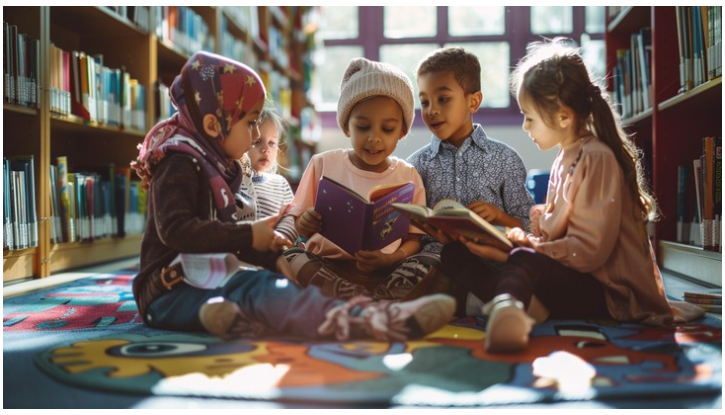
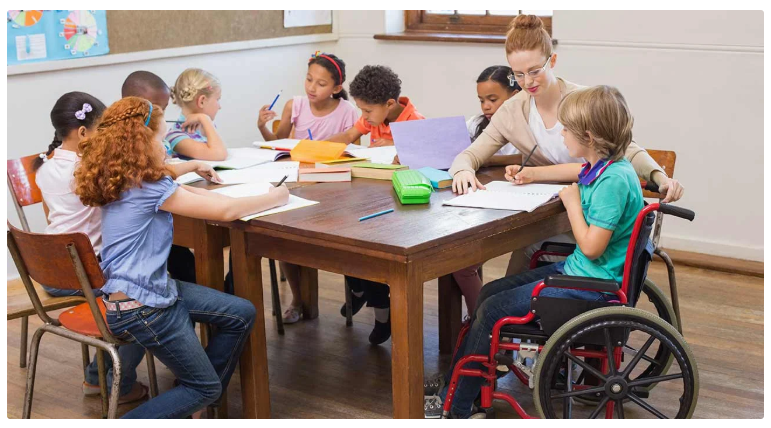
- Foster inclusivity: Respect differences in abilities, cultures, and backgrounds to build acceptance and belonging.
2. Build Positive Relationships
- Show interest: Engage in their activities and listen to their thoughts without judgment.
- Establish trust: Be consistent, reliable, and approachable so they feel safe to express themselves.
- Use positive reinforcement: Praise efforts, progress, and good behavior to build confidence and motivation.
3. Support Emotional Well-being
- Teach emotional literacy: Help kids identify and express their emotions through words.
- Be patient: Understand that young learners may struggle to manage emotions or stress.
- Model behavior: Demonstrate kindness, patience, and resilience for them to imitate.
4. Foster Intellectual Growth
- Use age-appropriate teaching methods: Tailor lessons to their developmental stage with interactive and fun learning activities.
- Encourage curiosity: Allow them to ask questions, explore topics, and experiment with ideas.
- Be responsive: Provide clear explanations and feedback to help them understand and grow.
5. Address Physical Needs
- Provide proper nutrition: Ensure access to healthy meals and snacks for energy and focus.
- Encourage physical activity: Include regular movement breaks or games to keep them active and healthy.
- Allow rest: Ensure they get sufficient sleep and rest during the day if needed.
6. Encourage Social Development
- Promote teamwork: Include group activities that teach cooperation and respect for peers.
- Teach conflict resolution: Guide them on resolving disagreements peacefully and understanding others’ perspectives.
- Model empathy: Show kindness and teach them to care for others.
7. Understand Individual Needs
- Recognize learning styles: Some kids learn better through visuals, others through listening or hands-on activities.
- Be observant: Watch for signs of stress, difficulty, or exceptional talents and adapt accordingly.
- Communicate with parents: Share observations and collaborate to support the child’s development.
8. Teach Life Skills
- Encourage independence: Let them practice simple tasks like organizing their belongings or solving problems.
- Promote self-regulation: Teach them to manage time, emotions, and tasks effectively.
- Build resilience: Help them see mistakes as learning opportunities.
9. Engage Through Play and Creativity
- Incorporate play-based learning: Use games, storytelling, and art to make lessons enjoyable.
- Encourage imagination: Provide opportunities for creative expression, such as drawing or role-playing.
- Celebrate achievements: Display their work or recognize their efforts to boost pride and motivation.
10. Be a Role Model
- Exhibit enthusiasm for learning: Your passion inspires them to enjoy education.
- Maintain patience and positivity: Show how to handle challenges constructively.
- Practice active listening: Validate their opinions and feelings, fostering mutual respect.
By combining these approaches, you can create an enriching environment that nurtures the child’s academic success, emotional growth, and personal well-being.