

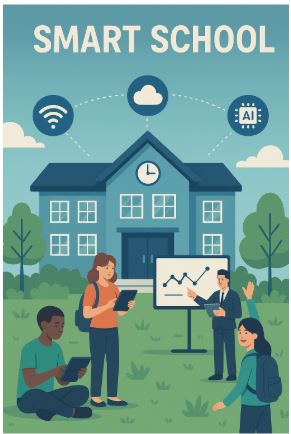
In today’s digital age, education is evolving rapidly, with smart classes becoming a game-changing innovation. A smart class, also known as a technology-enabled classroom, integrates advanced digital tools to enhance the teaching and learning process. This article explores the definition, features, benefits, challenges, and future of smart classes, emphasizing their impact on student engagement and academic performance.
What Are Smart Classes?
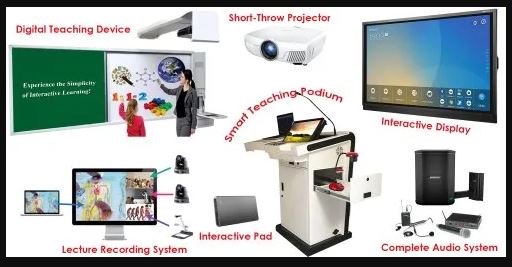
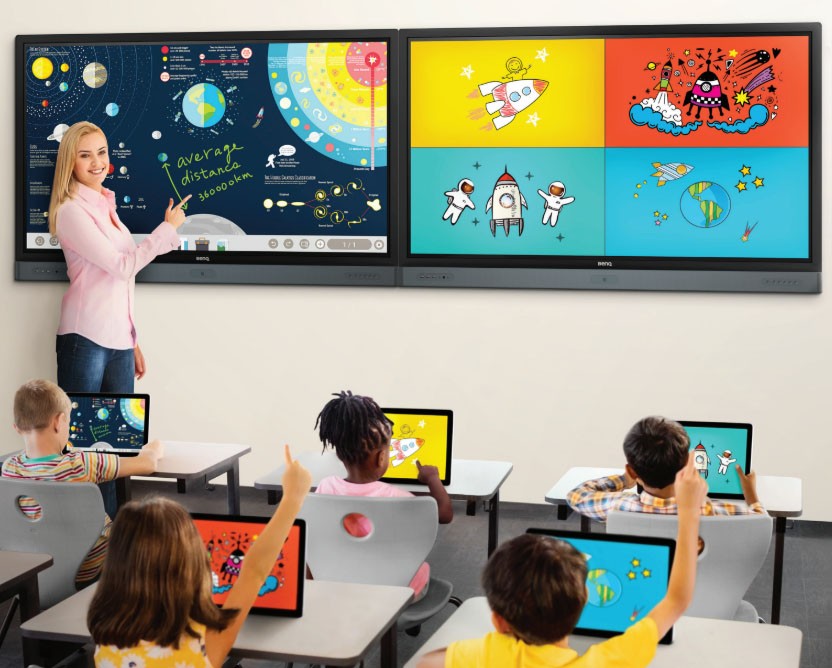
Smart classes are modern classrooms equipped with cutting-edge technology such as interactive whiteboards, multimedia projectors, high-speed internet, and digital learning resources. These tools help create a dynamic, interactive, and personalized learning environment that supports student success.
Key Features of Smart Classrooms:
- Interactive Whiteboards: Allow students and teachers to interact with digital content using touch or stylus.
- Digital Learning Resources: Include e-books, educational videos, software, simulations, and online courses.
- Internet Connectivity: Enables real-time access to global learning resources and collaborative tools.
- Multimedia Projectors: Project digital content in high resolution for classroom viewing.
Benefits of Smart Classes for Student Learning
1. Enhanced Engagement and Motivation
Smart classes use multimedia and interactivity to capture students’ attention, making lessons more engaging and enjoyable.
2. Personalized Learning Experience
Adaptive learning software and digital platforms enable teachers to tailor lessons to each student’s pace, needs, and learning style.
3. Improved Academic Performance
Studies show that students in smart classrooms perform better on standardized tests and demonstrate higher knowledge retention.
4. Development of 21st-Century Skills
Students gain essential skills such as digital literacy, critical thinking, collaboration, and problem-solving.
5. Increased Access to Learning Resources
Students can explore global content, digital libraries, and online tutoring anytime, anywhere.
Challenges and Limitations of Smart Classrooms
1. High Implementation Costs
Smart class setup requires investment in hardware, software, and network infrastructure.
2. Technical Issues
Power failures, software bugs, or hardware malfunctions can disrupt lessons and reduce learning effectiveness.
3. Overdependence on Technology
Students may rely too heavily on digital tools, affecting their social and interpersonal skills.
4. Teacher Training Requirements
Effective use of smart tools demands ongoing teacher training and support.
The Role of Technology in Education
Technology in education transforms traditional teaching methods into immersive, student-driven learning. Key benefits include:
- Flexible Learning: Students can learn at their own pace using recorded lessons and online materials.
- Real-Time Feedback: Teachers can track progress through data analytics and provide instant support.
- Global Collaboration: Students can collaborate with peers worldwide through online platforms.
Factors Influencing the Effectiveness of Smart Classes
- Teacher Competency: Teachers must be skilled in digital pedagogy.
- Content Quality: Digital content must be curriculum-aligned and engaging.
- Technical Support: Reliable IT support is crucial for smooth operation.
- Student Access: All students should have access to devices and internet connectivity.
Real-World Examples of Smart Class Implementation
1. S.A.I.L.S. Program (Ohio, USA)
This initiative equips rural schools with smart classroom technology, improving academic outcomes and technology exposure.
2. SWAYAM Platform (India)
A government-led platform offering free online courses and smart learning tools, enhancing access and affordability of education.
Comparing Traditional and Smart Classrooms
| Feature | Traditional Classroom | Smart Classroom |
|---|---|---|
| Teaching Style | Teacher-Centered | Student-Centered |
| Learning Materials | Printed Textbooks | Digital & Multimedia |
| Interaction | Limited | Interactive & Collaborative |
| Accessibility | Location-Bound | Anytime, Anywhere |
| Assessment | Periodic | Continuous & Real-Time |
Future Trends in Smart Classroom Technology
- Artificial Intelligence (AI): Delivers personalized learning paths and predictive analytics.
- Virtual/Augmented Reality (VR/AR): Offers immersive learning experiences in science, history, and geography.
- Gamification: Integrates game elements to boost motivation and engagement.
- Cloud-Based Learning: Enables students to access content remotely and collaborate on projects.
Conclusion
Smart classes are reshaping education by making learning more interactive, personalized, and effective. While challenges such as cost and training exist, the long-term benefits far outweigh the limitations. As technology continues to evolve, smart classrooms will become even more impactful, preparing students for a digital and global future.
Keywords for SEO: Smart classes in education, benefits of smart classrooms, technology in schools, digital learning tools, student engagement, personalized education, classroom technology trends, smart education solutions, 21st-century learning, interactive teaching methods.
For more education insights, stay connected with our blog and explore how smart learning is transforming the future of education.