

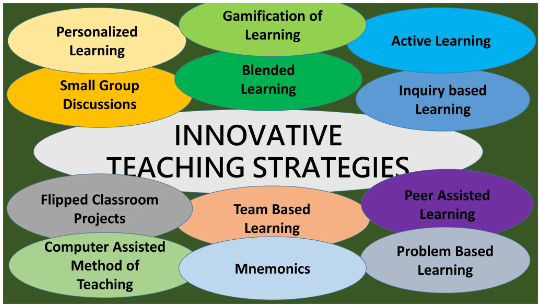
Inzira za *pedagogical* ni uburyo cyangwa tekiniki abarimu bakoresha mu kwigisha neza. Dore bimwe mu buryo bukunze gukoreshwa mu burezi:
1. **Uburyo bwa Constructivist**: Bushingiye ku gitekerezo cy’uko abanyeshuri bubaka ubwabo ubumenyi banyuze mu buhanga. Ubu buryo bushyira imbere ibikorwa by’imyitozo ngiro, gukemura ibibazo, no gushishikariza abanyeshuri guhuza ubumenyi bushya n’ubwo basanganywe. Ibyitegererezo by’ubu buryo harimo kwiga gushingiye ku mishinga no kwiga gushingiye ku bushakashatsi.
2. **Uburyo bwa Behaviorist**: Ubu buryo bushingiye ku myitwarire igaragara, aho hakoreshwa ibihembo n’ibihano mu gukomeza imyigire. Tekiniki zikoreshwa zirimo guhemba no gusubiramo kugira ngo umunyeshuri yumve neza isomo.
3. **Uburyo bwa Cognitive**: Bushingiye ku mitekerereze, nko gutekereza, kwibuka, no gukemura ibibazo. Abarimu bashishikariza abanyeshuri gutekereza ku buryo batekereza no kunoza uburyo bwo kwiga kwabo. Akenshi bukoreshwa mu kwigisha uburyo bwo gutekereza neza no kwiyigisha.
4. **Uburyo bwa Social Constructivist**: Bushingiye ku gitekerezo ko ibiganiro n’imibanire n’abandi bigira uruhare runini mu myigire. Tekiniki zirimo gukorana mu matsinda, kwigishanya hagati y’abanyeshuri, n’ibikorwa by’ubufatanye bishishikariza abanyeshuri kwigira hamwe.
5. **Uburyo bwa Humanistic**: Bushyira imbere gukura ku giti cyawe, ukwiyemeza n’ubuzima bwiza mu myigire. Abarimu bashishikariza abanyeshuri kugaragaza ibitekerezo byabo no guteza imbere umwihariko wabo. Ubu buryo bushingiye ku kubaka icyumba cy’ishuri kirangwa n’ubufasha n’ubwubahane.
6. **Uburyo bwa Inquiry-Based**: Abanyeshuri bashishikarizwa kubaza ibibazo, gukora ubushakashatsi, no gusuzuma ibintu mu buryo burambuye. Abarimu baba ari abagenzura aho kwigisha mu buryo butaziguye, bakagoboka abanyeshuri mu gushakisha ibisubizo ubwabo.
7. **Uburyo bwa Montessori**: Bushingiye ku myigire yihariye n’ibikorwa byo mu ntoki, akenshi mu mashuri arimo abanyeshuri b’imyaka itandukanye. Abarimu batanga aho kwigiriramo haboneye, bafite ibikoresho byatoranijwe neza kugira ngo bayobore imyigire ya buri wese.
8. **Uburyo bwa Flipped Classroom**: Abanyeshuri biga ibyo bashya bari mu rugo, akenshi bifashishije amashusho, maze bakajya mu bikorwa by’imyitozo ngiro n’ibibazo mu ishuri. Ubu buryo buhindura uburyo bwo kwigisha, buva ku gusobanura amasomo mu ishuri, bugashyira imbere imyigire ishingiye ku bufatanye no kubaza.
Buri buryo muri ubu bushobora gutegurwa mu buryo bujyanye n’aho bigishirizwa, intego z’imyigishirize, n’ibyo abanyeshuri bakeneye.
Les approches pédagogiques sont des stratégies ou des méthodes que les enseignants utilisent pour faciliter l’apprentissage de manière efficace. Voici quelques-unes des approches couramment utilisées en éducation :
1. **Approche constructiviste** : Basée sur l’idée que les apprenants construisent leur propre compréhension par l’expérience, cette approche met l’accent sur les activités pratiques, la résolution de problèmes et encourage les élèves à relier les nouvelles connaissances à leurs connaissances antérieures. Exemples : l’apprentissage par projet et l’apprentissage par investigation.
2. **Approche behavioriste** : Cette approche se concentre sur les comportements observables et utilise des récompenses et des punitions pour renforcer l’apprentissage. Les techniques incluent le renforcement positif et la répétition pour modeler les schémas d’apprentissage des élèves.
3. **Approche cognitive** : Cette approche se concentre sur les processus mentaux tels que la pensée, la mémoire et la résolution de problèmes. Les enseignants encouragent les élèves à réfléchir sur leurs processus de pensée et à développer des compétences métacognitives. Elle inclut souvent des stratégies pour améliorer la pensée critique et la réflexion personnelle.
4. **Approche socioconstructiviste** : Elle repose sur la théorie que les interactions sociales jouent un rôle crucial dans l’apprentissage. Les techniques incluent le travail de groupe, l’enseignement entre pairs et les activités collaboratives qui encouragent les élèves à apprendre les uns des autres.
5. **Approche humaniste** : Elle met en avant l’importance de l’épanouissement personnel, de l’automotivation et du bien-être émotionnel dans l’apprentissage. Les enseignants encouragent les élèves à s’exprimer et à développer leur individualité. Cette approche valorise la création d’un environnement de classe bienveillant et inclusif.
6. **Approche basée sur l’enquête (Inquiry-Based)** : Les élèves sont encouragés à poser des questions, à mener des enquêtes et à explorer des sujets en profondeur. Les enseignants jouent le rôle de facilitateurs plutôt que d’instructeurs directs, aidant les élèves à trouver des réponses de manière autonome.
7. **Approche Montessori** : Elle se concentre sur l’apprentissage autodirigé et les activités pratiques, souvent avec des classes d’âges mélangés. Les enseignants fournissent un environnement structuré avec des matériaux soigneusement sélectionnés pour guider l’apprentissage individuel.
8. **Classe inversée (Flipped Classroom)** : Les élèves apprennent de nouveaux contenus à la maison, souvent via des vidéos, et participent à des activités pratiques et de résolution de problèmes en classe. Cette approche déplace l’accent de l’enseignement magistral vers un apprentissage actif et collaboratif.
Chacune de ces approches peut être adaptée pour correspondre à divers contextes éducatifs, objectifs d’apprentissage et besoins des élèves.
Pedagogical approaches are strategies or methods used by teachers to facilitate learning effectively. Here are some widely used approaches in education:
1. **Constructivist Approach**: Based on the idea that learners build their own understanding through experiences, this approach emphasizes hands-on activities, problem-solving, and encouraging students to connect new knowledge with prior knowledge. Examples include project-based learning and inquiry-based learning.
2. **Behaviorist Approach**: This approach focuses on observable behaviors and uses rewards and punishments to reinforce learning. Techniques like positive reinforcement and repetition are used to shape students’ learning patterns.
3. **Cognitive Approach**: This approach focuses on mental processes such as thinking, memory, and problem-solving. Teachers encourage students to reflect on their thought processes and develop metacognitive skills. It often includes strategies to improve critical thinking and self-reflection.
4. **Social Constructivist Approach**: This is based on the theory that social interactions play a crucial role in learning. Techniques include group work, peer teaching, and collaborative activities that encourage students to learn from each other.
5. **Humanistic Approach**: Emphasizes the importance of personal growth, self-motivation, and emotional well-being in learning. Teachers encourage students to express themselves and develop their individuality. This approach values building a supportive, inclusive classroom environment.
6. **Inquiry-Based Approach**: Students are encouraged to ask questions, conduct investigations, and explore topics in depth. Teachers act as facilitators rather than direct instructors, helping students to find answers independently.
7. **Montessori Approach**: Focuses on self-directed activity and hands-on learning, often with mixed-age classrooms. Teachers provide a structured environment with carefully selected materials to guide individual learning.
8. **Flipped Classroom**: Students learn new content at home, often through videos, and engage in practical, problem-solving activities in the classroom. This approach shifts the focus from lecture-based teaching to active, collaborative learning.
Each of these approaches can be adapted to fit various educational contexts, learning goals, and student needs.